The Nature of Luck in Gambling
Luck is often perceived as a mystical force that governs the outcomes of various games of chance. In the world of gambling, players frequently attribute their wins and losses to luck, believing that it can be a deciding factor in their overall experience, especially when they explore casino sites fast withdrawal options that enhance their gameplay. However, this perception is misleading. While luck does play a role, it interacts with numerous elements, including strategy, skill, and probability, which collectively shape the outcomes of gambling activities.
Understanding how luck operates in gambling begins with recognizing that it is fundamentally a random variable. In games like slots or roulette, the results are determined by random number generators or physical mechanisms designed to ensure fairness. Players may feel fortunate during a winning streak or unfortunate during a loss, but these feelings are often psychological rather than reflective of true probability outcomes. This misinterpretation can lead players to develop skewed perceptions about their chances of success.
Moreover, the notion of luck can lead to the gambler’s fallacy, where individuals believe that previous events can influence future results. For example, if a player experiences several losses, they may feel that a win is “due” to occur. In reality, each game operates independently, and past outcomes have no bearing on future results. Understanding these dynamics is crucial for players looking to engage in gambling responsibly and with a clearer perspective on how luck functions.
Superstitions and Rituals in Gambling
Coupled with the concept of luck are the various superstitions and rituals that many gamblers adopt in hopes of influencing their fortunes. From wearing lucky charms to performing specific routines before placing bets, these behaviors can often serve as psychological crutches. Gamblers may feel more comfortable or confident when adhering to these rituals, ultimately impacting their decision-making process. However, the effectiveness of such practices is anecdotal and not grounded in any statistical evidence.
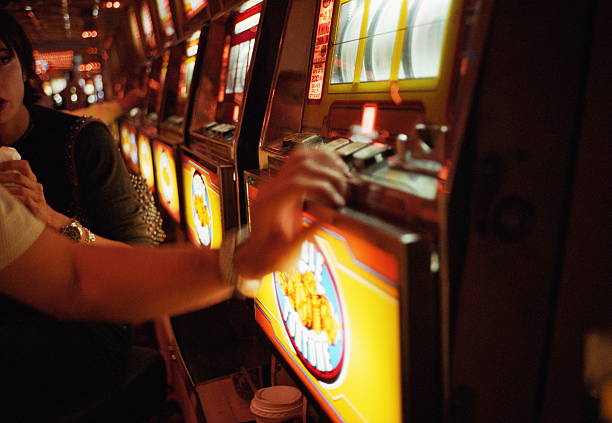
For instance, some players believe that tapping a machine or blowing on dice will improve their odds. While these actions can create a sense of control, they do not alter the inherent probabilities of the game. Recognizing the line between superstition and strategy is vital for players to avoid becoming overly reliant on these beliefs, which can distract them from rational thinking and informed decision-making in gambling scenarios.
The proliferation of social media and online forums has also contributed to the spread of gambling superstitions. Players often share their “lucky” experiences or tips, perpetuating the idea that certain actions can yield favorable outcomes. While such stories can be entertaining, they risk misleading new players into thinking that gambling success is largely about luck rather than understanding the mechanics and odds of the games they are playing.
The Role of Skill and Strategy
While luck undeniably influences the results of many gambling games, skill and strategy play significant roles, particularly in games where players can make decisions that affect outcomes. For instance, poker is a game where understanding opponents and making calculated bets can greatly impact success. Players who invest time in honing their skills often find they outperform those relying solely on luck. This blend of skill and chance creates engaging dynamics that require both a good understanding of the game and a bit of serendipity.
In contrast, games such as roulette or slots are primarily luck-based, with minimal room for strategic input. Here, the concept of expected value becomes essential. Players can calculate the average return of their bets over time, improving their understanding of the risks involved. By employing a strategic approach, players can mitigate losses and maximize potential wins, showcasing that while luck is involved, informed strategy can greatly enhance the overall gambling experience.
Furthermore, gamblers who focus on skillful play may experience a different relationship with luck. When they recognize the role of skill, they are less likely to place undue emphasis on luck during losing streaks. This mindset can lead to a healthier approach to gambling, wherein players view it as a blend of entertainment, skill development, and risk management rather than merely a game of chance dictated by luck.
The Psychological Aspect of Luck
The psychological aspect of gambling and luck is a crucial element that affects how individuals perceive their gaming experiences. Cognitive biases often cloud a player’s judgment, leading them to believe they possess more control over outcomes than they actually do. This can result in overconfidence, where a player may assume they’re on a winning streak due to skill rather than recognizing the random nature of their success. Understanding these psychological factors can help gamblers maintain a more balanced view of their luck.
An interesting phenomenon related to the psychology of luck is “confirmation bias.” Gamblers may focus on wins or lucky streaks while disregarding the numerous losses that occur in between. This selective memory can create an inflated sense of luck, promoting continued gambling despite the odds often being against them. By acknowledging this bias, players can cultivate a more realistic approach to their gambling habits, leading to better decision-making.
Additionally, the thrill and excitement associated with gambling often amplify the perception of luck. The anticipation of potential wins can overshadow the fundamental understanding of risk and probability. This emotional rollercoaster can lead to impulsive betting and chasing losses. By fostering a greater awareness of the psychological influences at play, players can better navigate their gambling experiences, ensuring that they engage with it in a sustainable and enjoyable manner.
Concluding Thoughts on Luck in Gambling
In summary, the myths surrounding luck in gambling are intricately woven into the fabric of gaming culture. While luck certainly plays a part in the outcomes of various gambling activities, it is crucial to recognize the roles of skill, strategy, and psychological influences. By dismantling these myths, players can engage in gambling more responsibly, making informed decisions based on a comprehensive understanding of how games function.
Ultimately, embracing the blend of luck and skill not only enhances the enjoyment of gambling but also promotes responsible gaming practices. Players who approach gambling with a clear understanding of the odds, the impact of their choices, and the psychological factors involved are more likely to foster a healthy relationship with the activity. This approach encourages individuals to respect gambling for what it is—a form of entertainment rather than a surefire way to generate income.
For more insights into responsible gambling and the intricacies of luck and strategy, our website provides resources, tips, and information designed to empower players. By educating yourself about the nuances of gambling, you can enjoy your gaming experiences while remaining mindful of the risks and the importance of moderation. Join our community of informed gamers and enhance your understanding of the gambling world today.